
Why Safe Cultures Deliver Higher Performance
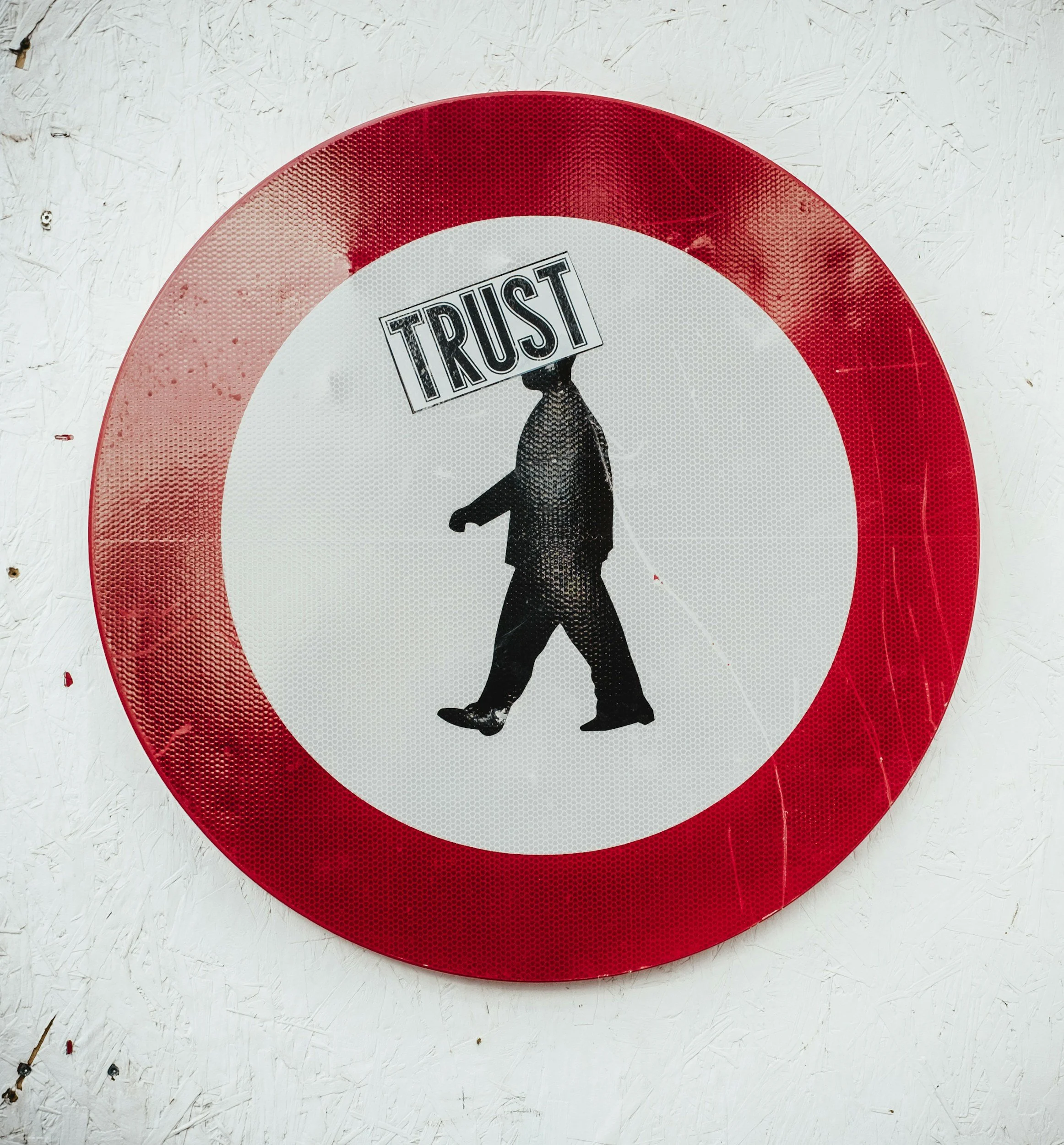
Psychological Safety + Accountability = The Leadership Equation That High-Performing Teams Master
In the world of leadership, we often talk about accountability as if it stands alone—a single lever leaders can pull to fix performance gaps, increase follow-through, and accelerate results. But accountability, in isolation, rarely produces the outcomes leaders hope for.
The truth is far more nuanced: Accountability only works in environments where people feel psychologically safe.
For teams to deliver at a high level — consistently, sustainably, and without burnout — they need more than clear expectations and performance metrics. They need the confidence that speaking up won’t be punished. They need the reassurance that asking questions isn’t a sign of incompetence. And they need the trust that mistakes will be met with curiosity, not fear.
This intersection of safety and accountability is where cultures become unstoppable.
The Misconception: Safety Makes Teams “Soft.”
For years, leaders feared psychological safety because they misunderstood it.
They worried teams would:
Avoid hard conversations
Lower performance standards
Expect comfort over challenge
Slip into complacency
But psychological safety is not comfort.
It’s not “being nice.”
And it’s definitely not protecting people from hard truths.
Psychological safety is the foundation that makes high standards possible.
Google’s landmark study, Project Aristotle, identified psychological safety as the #1 predictor of team performance. Not talent. Not experience. Not systems. Safety.
Why?
Because when people aren’t scared, they don’t hide information.
They don’t withhold concerns that could derail projects.
They don’t wait for permission to step in and solve problems.
They don’t waste energy protecting themselves from interpersonal risk.
They channel their energy into the work.
Safety doesn’t replace accountability; it enables it.
Accountability Without Safety Creates Fear.
Safety Without Accountability Creates Stagnation.**
Organizations often swing to one extreme or the other.
1️⃣ Accountability without safety
This looks like:
Leaders who rely on pressure rather than clarity
Teams afraid to admit mistakes
Employees who hide problems until they become crises
High turnover from burnout or fear
Leaders doing “workarounds” because they don’t trust their teams
In this environment, accountability is experienced as punishment.
People comply, but they don’t contribute at their fullest.
2️⃣ Safety without accountability
This looks like:
Ambiguous expectations
Conversations avoided in the name of harmony
Low performance normalized
Frustration between high performers and low performers
Leaders feeling they have to “pick up the slack”
In this environment, safety becomes comfort instead of growth.
3️⃣ Safety + Accountability = High Performance
Teams thrive when they experience:
Clear expectations (this is what good looks like)
Support (you’re not alone in this)
Trust (you will be treated fairly and respectfully)
Follow-through (we honor the commitments we make)
This combination unlocks energy, innovation, and consistency.
This is what leaders actually want: a culture where people perform at a high level because they want to, not because they’re afraid not to.
The Performance Engine: How Safety Enables Accountability
Let’s explore how psychological safety directly strengthens accountability culture.
1. Safety unlocks candid communication.
When teammates feel safe, they speak honestly upwards and sideways.
They will say:
“I don’t understand this expectation.”
“I need clarity before I execute.”
“We’re drifting from the original objective.”
“This timeline isn’t realistic.”
“We’re repeating a mistake.”
Clearer information → Better decisions → Faster outcomes.
2. Safety increases ownership.
People step up when they trust the environment.
In a safe culture, accountability shifts from forced compliance → voluntary ownership.
You’ll hear phrases like:
“Let me take the lead on that.”
“I’ll close the loop on this.”
“I think we can improve this process.”
Ownership is a hallmark of high-performing teams. Safety is what sparks it.
3. Safety reduces defensiveness in accountability conversations.
In unsafe cultures, feedback triggers fear.
In safe cultures, feedback becomes useful data.
When leaders ground accountability in respect and curiosity, people stay open instead of shutting down. They can hear the message instead of focusing on their perceived threat.
This dramatically improves performance consistency.
4. Safety allows teams to innovate.
High-performance cultures are not built on perfection; they are built on learning.
Innovation requires:
Experimentation
Uncertainty
Trial and error
Rapid iteration
Teams can’t innovate if they’re being punished for imperfection.
Psychological safety removes that barrier.
5. Safety strengthens cross-functional collaboration.
When trust is high, silos soften.
When silos soften, information flows.
When information flows, performance accelerates.
Psychological safety is the connector that allows partnerships to thrive.
The Hidden Cost of Low Psychological Safety (Leaders Often Miss This)
Low psychological safety is expensive.
Quiet expensive.
Organizations don’t always recognize the cost because it’s measured in:
Delayed decisions
Uncommunicated risks
Slowed execution
High turnover (especially your best talent)
Rework and misalignment
Leaders spending more time fixing than leading
Burnout from emotional inclusion work
According to Gallup, employees in low-safety cultures are:
27% more likely to leave
48% less likely to care about organizational goals
43% less likely to take initiative
If accountability is the skeleton of high performance, psychological safety is the nervous system that makes it function.
4 Leadership Behaviors That Build Psychological Safety AND Accountability
Leaders often ask: “How do we balance safety with holding people to high standards?”
Here are the four behaviors that consistently separate high-performing leaders from the rest:
1. Set expectations collaboratively
Accountability sticks when people participate in defining it.
Instead of saying:
“Here’s what I expect from you.”
Say:
“Let’s align on what great looks like.”
Co-created expectations → Higher buy-in → Better execution.
2. Model calm, consistent follow-through
Leaders with emotional steadiness create safety.
Leaders with clear follow-through create accountability.
Consistency communicates:
fairness
predictability
trustworthiness
The combination builds a culture where high performance feels stable, not stressful.
3. Give feedback with curiosity, not judgment
Shift from:
❌ “Why did you do it this way?” (accusatory)
to
✔️ “Help me understand your approach.” (curious)
Curiosity lowers defensiveness, reveals valuable information, and increases accountability without eroding trust.
4. Reinforce standards, even when it’s uncomfortable
Safety does not mean lowering the bar.
True psychological safety requires leaders to:
be honest
hold consistent standards
address issues early
treat people with dignity during hard conversations
People feel safest when:
expectations are clear
treatment is fair
leaders are predictable
standards apply to everyone
This is where safety and accountability finally meet.
Why Safe Cultures Outperform: A Leadership Perspective
When employees trust that the environment is safe, they redirect their attention away from self-protection and toward contribution.
Safety frees up:
mental bandwidth
emotional energy
strategic thinking
creativity
collaboration
performance
And here is the leadership takeaway:
Psychological safety is not the opposite of accountability.
It is the precondition for it.
Leaders who master both create cultures where:
people speak up
teams move faster
standards rise
execution is consistent
relationships strengthen
innovation expands
performance accelerates
This is the competitive advantage of 2026 and beyond.
Organizations that fail to cultivate psychological safety will struggle with:
retention
clarity
execution
speed
alignment
leadership bench strength
Organizations that integrate psychological safety into accountability will be the ones that scale sustainably.
The Future of Work Belongs to Safe, Accountable Cultures
As we enter a new era of leadership, culture transformation requires more than inspirational language or one-time initiatives.
It requires:
intentional systems
clear expectations
emotionally intelligent leadership
consistent reinforcement
value-driven behaviors
a people-first mindset
The organizations that thrive won’t be the ones with the loudest mission statements.
They’ll be the ones whose leaders make psychological safety and accountability part of their everyday leadership practice.
These cultures aren’t just healthier.
They’re stronger.
They’re faster.
They’re more resilient.
And they deliver higher performance, year after year.
Because when people feel safe, they rise.
And when people rise, organizations rise with them.
Want to Build a High-Performance Culture in 2026?
If you’re ready to strengthen accountability and psychological safety across your leadership team, Talent Elevated can help. Let’s build a culture where people and performance thrive. Book a free consultation here.