
Keynotes That Drive Real Leadership and Culture Change
Speaking Topics
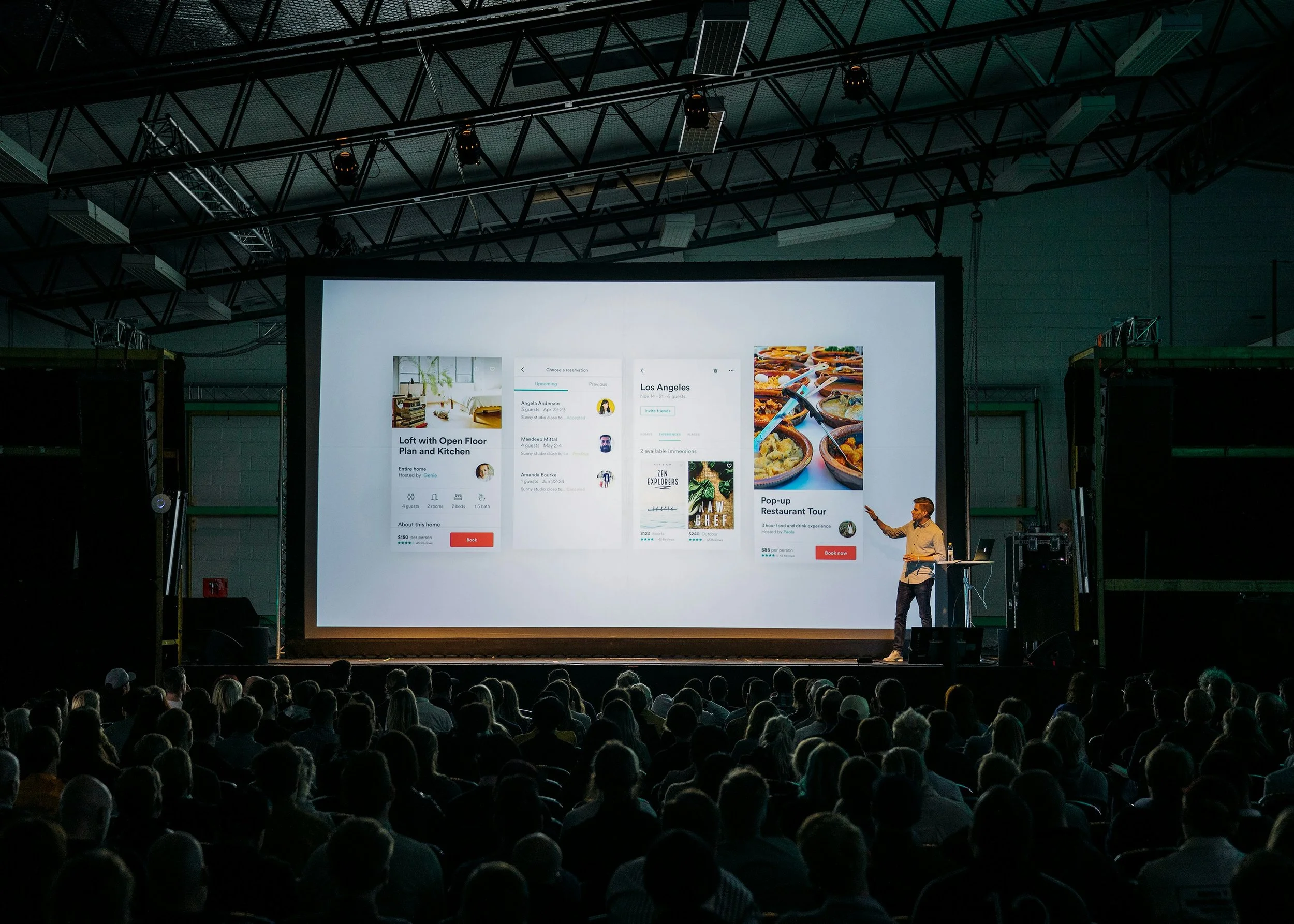
Heather Smith has spoken at national conferences, university stages, industry association events, and executive forums for one reason: because the gap between what organizations know about culture and what they are actually doing about it is costing them more than most leaders are willing to admit.
Her keynotes are research-grounded, story-driven, and built around the real challenges leaders face — not the polished, frictionless version of leadership that looks good on a slide deck but has nothing to do with the reality of running an organization. Every engagement is customized to the audience and the event, and every session is designed to produce something useful — not just a feeling.
Where Heather Has Spoken
Title: Where Did the Time Go? Time Management Strategies to Regain Control of Your Calendar
NASA APPEL Knowledge Services — 2024
01
02
National Council of Farmer Cooperatives HR Conference -2024
Plains Cotton Cooperative Association Cotton Gin Annual Meeting — 2023
03
National Society of Accountants for Cooperatives (NSAC) Texas Chapter — 2023
04
National Council of Farmer Cooperatives HR Conference — 2024
05
Executive Women's Forum Annual Conference — 2022
06
Most Requested Topics
Every keynote is tailored to the audience and the event. Below are Heather's most requested topics — each one built around the real leadership and culture challenges organizations are navigating right now.
The ADAPT Model: A Practical Framework for Building Employee Culture

Most organizations want a stronger culture. Very few have a clear, repeatable process for building one. The ADAPT Model gives leaders exactly that — a practical, five-step framework for designing culture with intention rather than hoping it develops on its own.
The five steps are: Adopt an Intentional Mindset, Define Your Ideal Culture, Assess Current Culture, Pinpoint the One Change You Can Make Today, and Test the Action and Get Feedback.
In this keynote, Heather walks leaders through each step with the honesty and specificity that makes the model immediately actionable. The first step — examining your own beliefs about whether culture work will actually make a difference — is where most culture efforts quietly fail before they begin. The rest of the model builds from there, giving leaders a clear path from knowing culture matters to doing something meaningful about it. Audiences leave with a framework they can begin applying the following week, a clearer picture of where their organization actually is, and the discipline to focus on one meaningful change rather than overwhelming their teams with every change at once.
Five steps to transform culture from accidental to intentional
Culture That Actually Performs
Culture is not a perk. It is not a values poster or an annual engagement survey. It is the system of behaviors, standards, and leadership decisions that determines how work gets done, how people feel about doing it, and whether an organization can execute its strategy at the speed and precision it requires.
In this keynote, Heather dismantles the idea that culture is too soft to measure and too complex to manage — and replaces it with a practical framework for designing culture that supports strategy, accelerates execution, and makes retention a natural outcome rather than a reactive scramble. Leaders leave with a clear picture of what culture is actually producing inside their organization and the tools to start changing it on purpose.
Turning culture from a feel-good idea into a measurable business lever
Accountability Without Burnout
Accountability is one of the most misunderstood concepts in organizational leadership. When it is built on fear, inconsistency, or pressure without support, it creates the kind of friction that drives top performers out the door and leaves everyone else operating at the lowest acceptable standard.
This keynote delivers a practical framework for creating accountability systems that increase ownership, strengthen performance, and make the standard feel achievable rather than punishing. Leaders learn the difference between accountability that builds culture and accountability that quietly destroys it — and walk away with specific behaviors and structures they can implement immediately.
How to set expectations that feel fair, motivating, and sustainable
Leadership Behaviors That Build or Break Trust
The most consequential leadership decisions are not the big ones. They are the small, daily, almost invisible behaviors that either build or quietly erode the trust an organization runs on. A leader who responds defensively to one question can change the energy of an entire room. A standard applied inconsistently once becomes the real standard going forward.
This tactical keynote examines the micro-behaviors that determine how teams experience their leaders — and gives leaders an honest, specific picture of the habits they may not realize are shaping their credibility, their team's engagement, and their organization's performance. Audiences leave with a clear behavioral framework they can take back to their teams and apply immediately.
The small daily habits that shape credibility, engagement, and results
From Vision to Execution
Most strategies are not failed at the planning stage. They are failed in the space between what leadership decided and what the organization actually did. Direction that is crisp at the executive level arrives at the front line distorted, incomplete, or months behind schedule — not because the strategy was wrong, but because the infrastructure to carry it never existed.
In this keynote, Heather examines the gap between leadership intent and organizational follow-through — what creates it, what it costs, and the specific decisions around clarity, alignment, and leadership consistency that close it before execution stalls. Leaders leave with a clear picture of where their strategy is losing precision and a practical framework for closing the gap at every level of the organization.
Why strategy fails without alignment, clarity, and leadership consistency
Retention Without Perks
The organizations losing their best people are not losing them to better compensation packages. They are losing them to clearer futures, more consistent leadership, and workplaces where the daily experience of belonging is stronger than it is in their current role.
This keynote reframes the retention conversation entirely — away from reactive tactics and toward the trust, meaning, and clarity signals that make top performers genuinely committed to staying. Leaders learn what high performers actually need that most organizations are not consistently providing, what the patterns look like before a resignation that nobody saw coming, and what the most effective retention strategy available to any leader actually costs to build.
The culture signals that keep top talent committed
Executive Presence That Inspires Confidence
Executive presence is not charisma and it is not performance. It is the consistent, deliberate way a leader communicates, makes decisions, and holds the room — especially when the stakes are high and the answers are not yet clear. It is the quality that makes people trust a leader's judgment before the outcome is known.
This practical keynote breaks down the communication habits, decision presence, and influence behaviors that determine how leaders are experienced in the moments that matter most. Leaders leave with a clear picture of how they show up under pressure, the specific behaviors that build or undermine confidence in the room, and a practical framework for developing the kind of presence that inspires trust — not just in good times, but when things are hard.
How leaders show up with credibility, clarity, and calm under pressure
Trust as a Performance Driver
Organizations talk about trust as a value. The ones that outperform their peers treat it as infrastructure. When trust is present, people take risks, share information, hold each other accountable, and move faster. When it is absent, they protect themselves, withhold ideas, and spend energy navigating politics instead of doing the work.
In this keynote, Heather makes the business case for trust as one of the most consequential performance variables an organization can measure and manage. Leaders learn how trust operates as an organizational system, how its presence or absence shows up directly in retention, execution, and team performance, and how to build it intentionally through the specific leadership behaviors that either reinforce or quietly erode it every single day.
Why trust is a business system, not a soft skill
What to Expect

Every speaking engagement Heather delivers is customized to the event, the audience, and the organizational context of the leaders in the room. If you have a specific theme, a challenge your audience is navigating, or a desired outcome for the session, that conversation happens before any content is built.
The goal is not a good talk. It is a talk that produces something useful for the people who hear it — and sends them back to their organizations ready to lead differently.
Conferences and industry associations where leaders come to think differently about the organizations they are building and the people responsible for building them.
Corporate leadership offsites and retreats where a leadership team needs a shared language, an honest outside perspective, and a framework they can carry into the work that follows.
University and academic audiences where the next generation of leaders is developing the beliefs and habits that will shape how they lead.
Nonprofit and mission-driven organizations where leaders are navigating the same retention, alignment, and culture challenges as any growing organization — often with fewer resources and higher stakes.
Ideal For:
Bring Heather to Your Event!
Speaking availability is limited. To explore availability, discuss your event, and find out whether Heather is the right fit for your audience, start with a conversation.